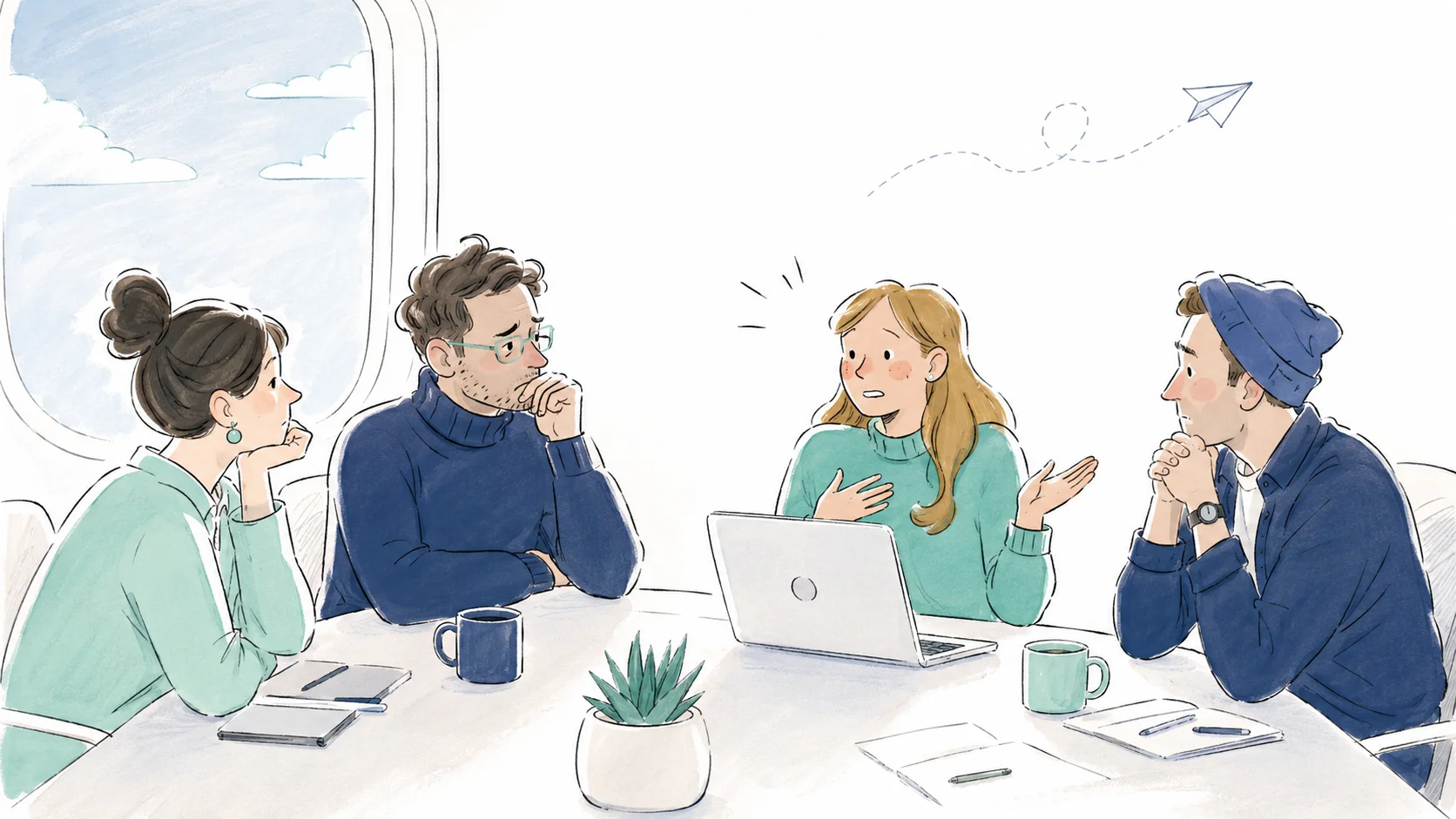
How Our Team Found Its Groove with a 'King' at the Helm
Okay, hold on, this can't go on any longer! It was the day I took on the role of 'king' to put an end to the constant bickering in our team. Tensions were so high that some members felt overwhelmed and even fell ill. So, I introduced a weekly meeting and allowed for grievances to be submitted.
Initially, there was an outcry—no one wanted a king in the team. But over time, it helped us work more constructively and distribute tasks more effectively.
The Daily Struggle and the Invisible Burden
In our team, disputes were a daily occurrence. Discussions often escalated into heated debates, with positions becoming entrenched. The logical consequence was a deteriorating work atmosphere, leaving some team members feeling overwhelmed. One person even became ill.
This constant strain was unbearable for everyone, and it reached a point where I knew something had to change.
The Unwanted Role of the 'King'
When I suggested introducing a weekly meeting and officially filing grievances, the team's reaction was anything but enthusiastic. The idea that I was elevating myself to 'king' to restore order met with resistance. "We're a democracy," was a common retort.
The notion that one person could dictate everything made many uncomfortable.
The Rocky Road to Acceptance
The first few weeks were challenging. There were doubts about whether the grievances submitted would actually be heard. Many questions arose, and it took some adjustments before the system worked. For instance, we initially struggled to document and track grievances effectively.
It was necessary to adjust the meetings and refine the structure so everyone had a voice and the issues were genuinely addressed. But slowly, the regular meetings began to bear fruit.
Tasks were reassigned—a daily task that previously rotated constantly was switched to a weekly duty, akin to a kitchen duty. This brought a certain relaxation to the daily routine.
Obstacles on the Path to Change
Despite the improvements, new challenges arose. Some team members did not fulfill their responsibilities as reliably as expected. These issues didn't resolve themselves but required further solutions. However, the most crucial step was to start and not remain in resignation.
Many had complained without actively working towards a solution. This attitude needed to change.
The Necessary Role of the Moderator
My role as 'king' was less about giving orders and more about moderating. It was essential to prevent escalations and make fair decisions. Showing empathy for sick or overwhelmed team members was particularly important.
This task is complex and requires a delicate touch, but it is indispensable for team cohesion.
Training as the Key to Success
It became clear that regular training and reducing tensions are essential—much like in fields such as law enforcement, medicine, or the military, where daily training is indispensable.
Without practice, one cannot perform in critical moments. This realization also took hold in our team. The process of change is lengthy but necessary for long-term success.
A New Path and the Realization
Looking back, the introduction of the grievance system was a crucial step for our team. Even though it was initially unpopular, it led to a noticeable improvement in team dynamics. It became evident that a clear framework and regular communication are vital to achieving common goals.
The comparison with governmental grievance mechanisms may sound odd, but it underscores the importance of a structured process to effect change.