Why Overtime Isn't the Problem, But a Symptom
If your team dreads overtime, consider it a warning sign. This statement might seem surprising at first, but there's a profound truth behind it.
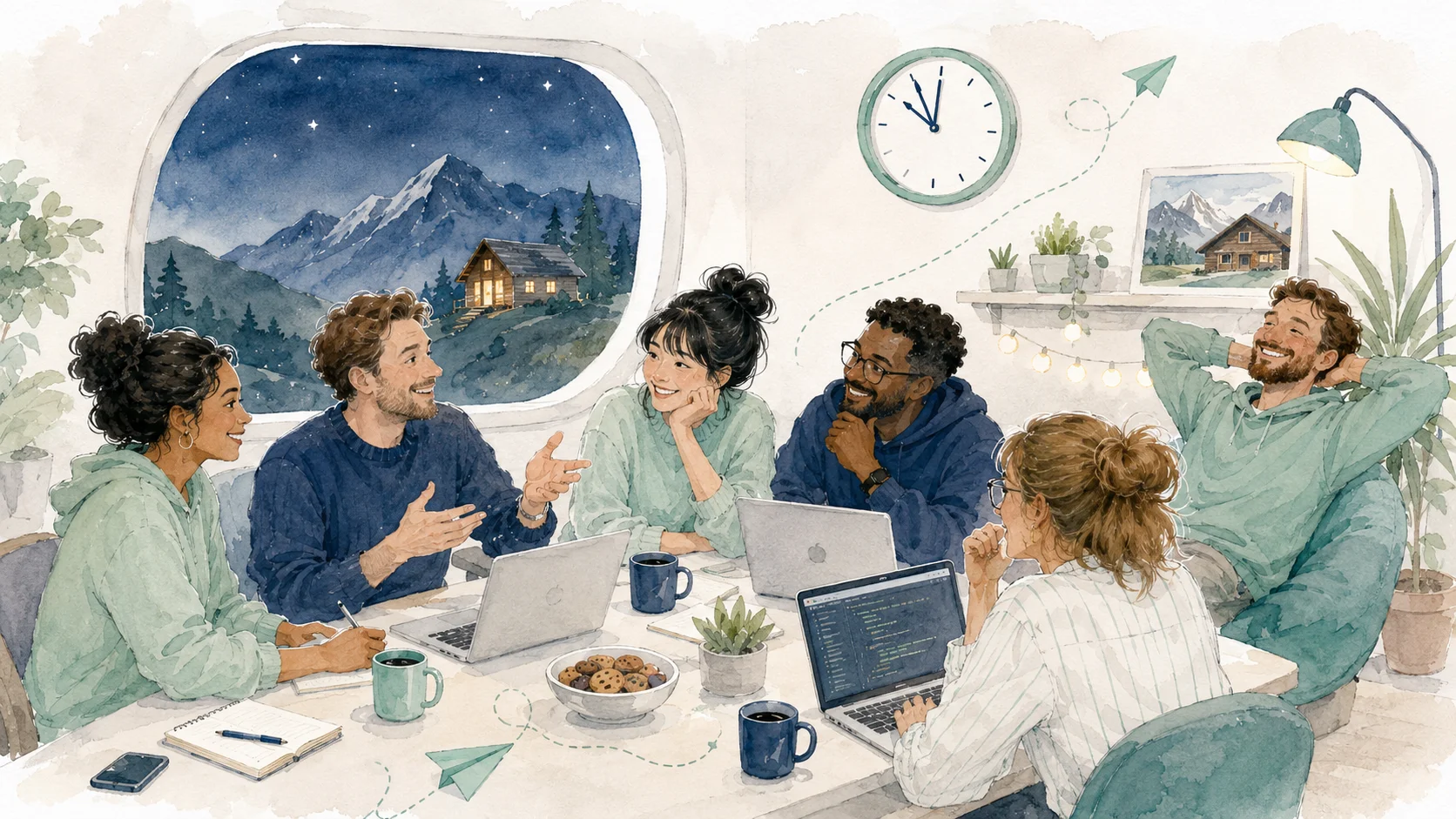
In my experience with a software team working late into the night on a project, we not only achieved a shared success but also received a thank-you from the client with an invitation to a mountain lodge. This shows that fun and motivation are crucial, not the time on the clock.
The experience with the software team taught me that it's not the overtime itself that's off-putting, but the circumstances under which it's done. When everyone is enthusiastic and driven, even a long night can become an inspiring adventure.
The team experienced a real high as they tackled the challenge together. In the end, it wasn't just the success but also the strengthened team dynamics that were memorable.
Why Overtime Isn't the Problem
There's a common belief that overtime is inherently negative. Many people think it should be avoided because it disrupts work-life balance and causes stress.
This seems logical at first. However, if a team perceives overtime as negative, there's often a deeper issue at play: a lack of motivation and enjoyment in the work.
A motivated team can view the extra time as an opportunity to work towards a goal together, developing a strong sense of community. But if overtime is seen as a burden, it's a sign that something is amiss. Perhaps there are unclear goals or an ineffective distribution of tasks.
Team members might feel overwhelmed or believe their work isn't appreciated.
Identifying the Real Issue
The real reason your team rejects overtime isn't the extra work itself. Rather, it's the environment that lacks joy. The work atmosphere plays a crucial role. If the workplace isn't motivating, it can increase employee frustration.
A monotonous environment, lack of recognition, and limited development opportunities also contribute to the team's loss of enthusiasm.
Another aspect is team culture. If there's frequent gossip about other departments, it creates a negative atmosphere. This gossip culture can significantly impact motivation and team cohesion.
Constant negative communication drags everyone down and breeds mistrust. Team members may feel alienated and lose the joy of collaboration.
Improving the Environment
To boost your team's motivation, make the work environment more pleasant. Small changes, like comfortable sofas or a welcoming break area, can make a big difference. These measures show employees that their well-being is taken seriously.
A workplace that invites them to stay strengthens the sense of appreciation and fosters creativity.
Equally important is nurturing team culture. Instead of combating negative behaviors like gossip, which often leads to more resistance, integrate positive experiences and fun into the workday. This strengthens cohesion and leads to a more productive work style.
Team events, shared successes, and an open ear for employee concerns can work wonders.
The New Approach: Combining Fun and Seriousness
The key is finding a balance between fun and seriousness. An environment that harmonizes both can achieve excellent results. Teams that tackle challenges together and enjoy their work are more productive and successful. They develop resilience that carries them through tough times.
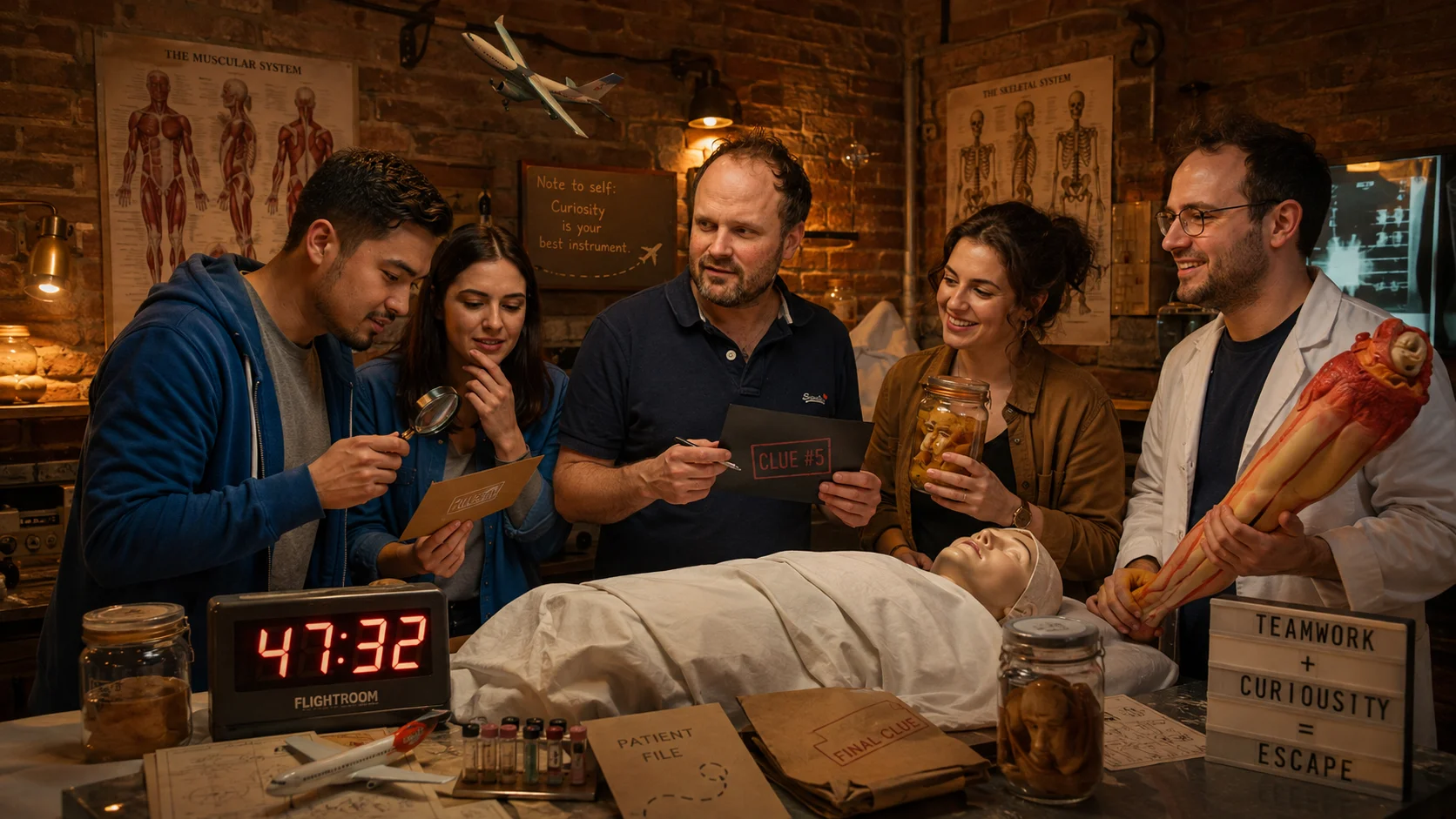
This is where FlightRoom comes in. It offers simulation training that helps teams optimize their communication and decision-making processes under pressure. This method supports not only the team but also you as a coach, even if you're new to this role.
Through practical exercises, participants can better recognize and work on their strengths and weaknesses.
FlightRoom's approach is based on solid research and has proven successful in numerous teams. With the right support and tools, teams can sustainably improve their dynamics and rediscover the joy of collaboration.
Success Through FlightRoom
FlightRoom is based on human factors research and offers measurable improvements in teamwork. The approach shows that teams working on their dynamics and enjoying their work are more efficient and achieve better results.
Studies show that motivated teams have lower absenteeism and higher employee satisfaction.
Many teams have already benefited from this method. The training not only fosters cohesion but also improves decision-making and communication under pressure. A strong team can successfully complete even challenging projects.
Participants report increased motivation and a better understanding of shared goals.
Experiences show that an integrative approach that considers both individual and collective needs is key to a successful team. FlightRoom provides a platform where teams can develop their skills and elevate their collaboration to a new level.
Taking the First Step
If you notice your team is reluctant to work overtime, examine the work atmosphere and team culture. Are the employees motivated? Is there a gossip culture? Address these points to create an environment that fosters joy and motivation.
A thorough analysis of the current team dynamics can help you take the right measures.
Use the insights and tools from FlightRoom to strengthen your team. With the right balance of fun and seriousness, you'll see that overtime is no longer a problem but an opportunity to strengthen the team.
Encourage your team members to actively participate in the process and suggest their own ideas for improvement.
The first step begins with an open dialogue. Talk to your team about their needs and desires. Ask about their vision of an ideal work environment and involve them in finding solutions. This way, everyone feels like an important part of the team and can work together towards positive change.